Understanding Glass Partitions: Benefits and Applications
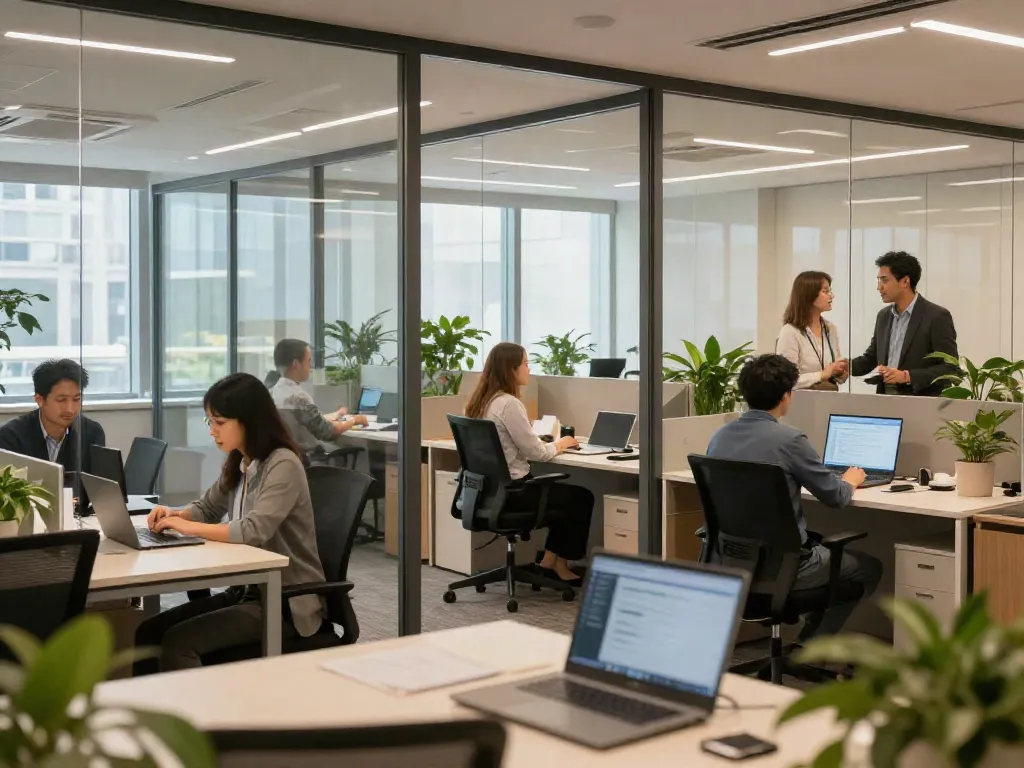
Glass partitions have become an indispensable feature in modern architecture and interior design, particularly in office spaces. These innovative solutions not only promote a sense of openness and transparency but also create functional barriers that enhance the overall workspace environment. Whether you are looking to optimize the aesthetic appeal of an office or seeking efficient space management, Glass partitions offer a wide range of benefits tailored for various applications.
What are Glass Partitions?
Glass partitions are non-load-bearing walls made primarily from glass, designed to divide spaces without obstructing light or visual flow. These partitions can be fully framed, partially framed, or frameless, depending on the design needs and structural requirements. They serve as modern alternatives to traditional drywall partitions, offering a sleek and sophisticated look that can elevate the aesthetics of any environment.
Benefits of Using Glass Partitions in Office Design
- Enhanced Natural Light: By using glass partitions, natural light can permeate throughout the office, reducing the need for artificial lighting and creating a more energetic work atmosphere.
- Visual Connectivity: Glass partitions maintain visibility between different areas, fostering a sense of community and collaboration among employees.
- Sound Insulation: With advancements in technology, modern glass partitions can be designed to minimize sound transmission, making them suitable for conference rooms and private offices.
- Customizable Designs: Glass partitions can easily be customized to fit any space, allowing for unique designs that reflect the brand's identity.
- Easy Maintenance: They require less upkeep compared to traditional wall materials; a simple cleaning routine can keep them looking pristine.
Common Applications of Glass Partitions in Workspaces
Glass partitions are versatile and can be utilized in various work environments, including:
- Offices: They can be used to create private offices, meeting rooms, and collaborative spaces.
- Retail Stores: Glass partitions can help in showcasing products while maintaining separate areas for different styles or collections.
- Cafes and Restaurants: They can separate dining areas without sacrificing the ambiance created by an open layout.
- Health Facilities: In hospitals or clinics, glass partitions allow for privacy while making rooms appear more spacious and bright.
Types of Glass Partitions Available in 2026
With ongoing innovations in material science and design, a variety of glass partitions have emerged to meet diverse architectural needs. Understanding the differences can help clients choose the best solution for their space.
Frameless vs. Framed Glass Partitions
Frameless glass partitions are celebrated for their minimalist aesthetic, offering seamless and uninterrupted views. They typically consist of thick tempered glass panels supported at the edges, giving the illusion of a floating wall. In contrast, framed glass partitions incorporate frames, typically made of aluminum or wood, providing additional structural support and durability. The choice between the two often depends on the desired aesthetic and structural requirements of the project.
Soundproof and Acoustic Glass Partitions
For spaces where privacy and sound control are paramount, soundproof or acoustic glass partitions are ideal. These partitions are engineered to reduce sound transmission, ensuring that conversations within private offices or meeting rooms remain confidential. They can be particularly beneficial in open-plan environments where noise can be disruptive.
Decorative Glass Partitions: Enhancing Aesthetics
Decorative glass partitions can incorporate various design elements such as frosted, etched, or printed graphics, adding unique flair to any space. These options not only serve to demarcate areas but also contribute to the overall branding and visual identity of a company. Custom designs can reflect a company’s ethos, making them a popular choice for creative industries.
Choosing the Right Glass Partition for Your Space
Selecting the right glass partition involves careful consideration of various factors to ensure that the chosen solution aligns with your design vision and functional requirements.
Factors to Consider When Selecting Glass Partitions
- Space Layout: Analyze the existing layout to determine where partitions will be most effective in dividing space while promoting an open feel.
- Purpose of the Space: Understand the functions of the spaces being created to choose the appropriate type of glass and soundproofing requirements.
- Building Regulations: Always check local building codes and regulations concerning the use and installation of glass partitions.
Custom vs. Standard Solutions: What’s Best?
While standard glass partitions may suffice for many applications, custom solutions provide the flexibility to meet specific design and functional needs. Custom partitions can address unique space challenges and aesthetic desires, allowing businesses to create environments that truly reflect their brand.
Understanding Local Building Regulations and Codes
Before proceeding with the installation of glass partitions, it is vital to familiarize yourself with local regulations. These regulations can dictate aspects such as fire safety codes, structural integrity, and sound insulation standards. Ensuring compliance will save time and prevent costly delays during the installation process.
Installation and Maintenance of Glass Partitions
Proper installation and maintenance are critical to ensure the longevity and functionality of glass partitions. Engaging professional services can significantly enhance the installation process.
Professional Installation: Why It Matters
Employing experienced professionals for glass partition installation ensures that they are fitted correctly, adhering to all safety and aesthetic standards. A professional team can efficiently navigate potential challenges that may arise during installation, such as ensuring structural support and proper alignment.
Maintenance Tips for Longevity
- Regular Cleaning: Use a soft cloth and appropriate cleaning solutions to keep glass surfaces smudge-free and visually appealing.
- Inspect for Damage: Regularly check for any cracks or chips and address them immediately to prevent further damage.
- Check Hardware: Ensure that any supporting hardware, such as door handles and hinges, is functioning correctly to maintain safety and ease of use.
Common Mistakes to Avoid in Installation
Several mistakes can occur during installation that can compromise the integrity of glass partitions, including:
- Improper measurements leading to ill-fitting panels.
- Neglecting to consider structural support requirements.
- Using inappropriate installation techniques that may lead to breakage.
Future Trends in Glass Partitions Beyond 2026
The landscape of glass partition design is continually evolving, with new materials and technologies emerging to enhance functionality and aesthetic appeal.
Innovative Materials and Technologies in Glass Partitions
Future advancements may include the use of smart glass, which can change opacity based on light and privacy needs, offering unparalleled flexibility in space usage. Additionally, developments in eco-friendly materials that promote sustainability are likely to shape the market, appealing to environmentally conscious design preferences.
Eco-Friendly Practices in Glass Fabrication
As sustainability becomes increasingly important in construction, glass partition manufacturers are exploring eco-friendly practices such as recyclable materials and low-energy production processes. These practices not only reduce environmental impact but can also enhance a brand's image.
Customer Preferences Shaping Glass Design Trends
Customer preferences play a significant role in shaping design trends for glass partitions. With an increasing emphasis on wellness in the workplace, designs that incorporate biophilic elements—such as views of nature or natural light—are gaining popularity. Understanding these trends can guide companies in making informed choices about their space.
How much do glass partitions cost?
The cost of glass partitions can vary widely based on materials, design complexity, and installation requirements. On average, costs can range from $50 to $150 per square foot, depending on the specifics of the project. Discussing budget constraints early on with suppliers can help in identifying suitable options.
What is a glass partition?
A glass partition is a non-load-bearing wall made predominantly of glass that serves to divide and define spaces while maintaining an open and airy feel, suitable for various environments such as offices, retail spaces, and healthcare facilities.
How much does a glass partition wall cost?
The cost of a glass partition wall typically ranges from $50 to $150 per square foot, depending on factors such as design intricacy, glass type, and installation needs.
What is the lifespan of glass partitions?
Glass partitions are designed to be durable and can last many years if properly maintained, often exceeding a lifespan of 20 years, depending on usage and environmental conditions.
Are glass partitions soundproof?
While standard glass partitions can reduce noise, achieving soundproofing requires acoustic glass or specialized materials designed to minimize sound transmission effectively. Consulting with a professional can help determine the best option for sound control.