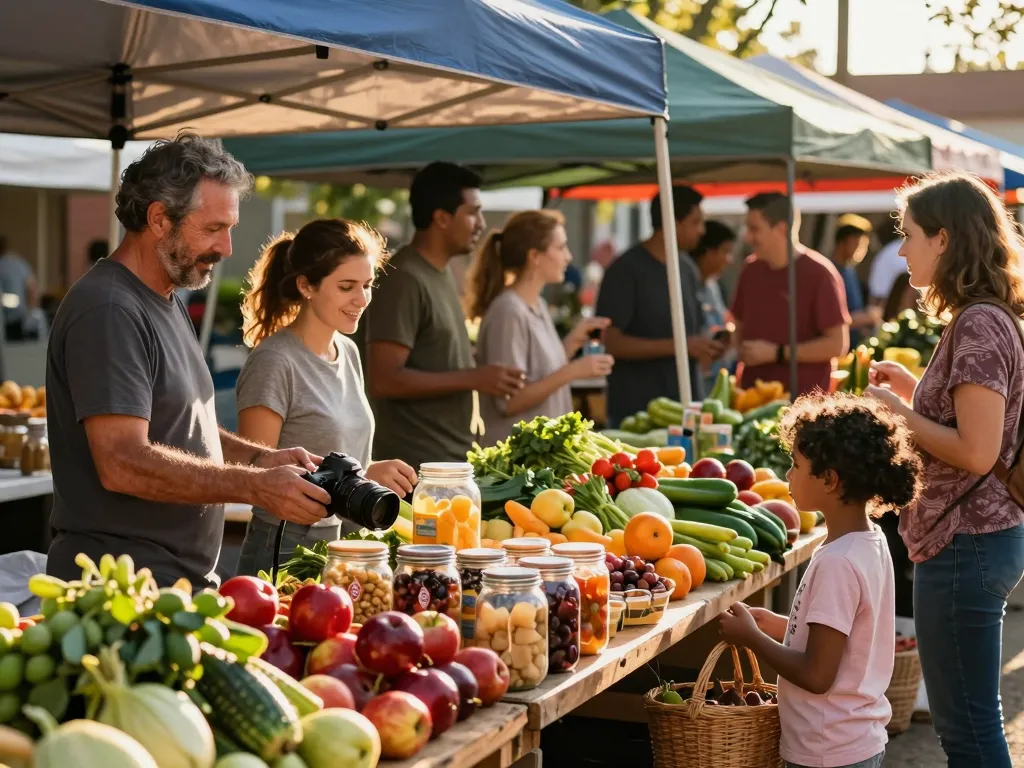
Understanding Social Dynamics
In a world where communication shapes our relationships and social structure, mastering social dynamics is more crucial than ever. The ability to communicate effectively—whether in person, through chat, or on social media—can significantly impact your personal and professional interactions. For many, the art of engaging with others comes naturally, but for others, it can be a daunting challenge. This article delves into the intricacies of social dynamics, providing actionable insights to enhance your interactions and build genuine connections.
When exploring options, Master social dynamics can provide comprehensive insights that help you navigate various social situations.
What Are Social Dynamics?
Social dynamics refers to the patterns and processes that govern behaviors, interactions, and relationships within groups. This field of study examines how individual actions are influenced by social context, including cultural norms, group behavior, and environmental factors. Understanding social dynamics can empower individuals to communicate more effectively, anticipate reactions, and foster meaningful connections.
The Importance of Social Skills
Social skills are paramount in personal and professional environments. They encompass a range of abilities, including active listening, empathy, non-verbal communication, and conflict resolution. Mastering these skills allows individuals to:
- Build trust and rapport
- Navigate complex social situations
- Enhance collaboration and teamwork
- Strengthen personal relationships
- Increase confidence in social settings
Types of Social Interactions
Social interactions can be categorized into several types, each requiring different approaches and skills:
- Verbal Interactions: Engaging in conversations face-to-face or over the phone, requiring verbal clarity and active listening.
- Non-verbal Interactions: Utilizing body language, facial expressions, and eye contact to convey feelings and reactions.
- Digital Interactions: Communicating through text, email, and social media platforms, which can carry different nuances and challenges.
- Group Interactions: Interacting within teams or social gatherings, where dynamics can shift based on group behavior and individual roles.
Common Challenges in Mastering Social Dynamics
While social dynamics is a fascinating field, many individuals encounter challenges that can hinder their ability to communicate effectively. Understanding these hurdles is the first step toward overcoming them.
Identifying Misread Signals
One of the most significant hurdles in social interactions is the misinterpretation of signals. For instance, a person may perceive friendliness as romantic interest, leading to awkward moments or rejection. Learning to read non-verbal cues, such as body language and tone of voice, is essential to avoid these misunderstandings.
Overcoming Social Anxiety
Social anxiety can severely limit one's ability to engage in conversations, making social dynamics feel overwhelming. Techniques such as mindfulness, deep breathing, and gradual exposure to social settings can help individuals manage anxiety, allowing for more authentic interactions. Building confidence through practice and small successes can also pave the way for more fulfilling social experiences.
Avoiding Canned Lines and Manipulative Tactics
Using rehearsed lines or manipulative tactics can backfire, leading to distrust and disconnection. Authenticity is key; individuals should strive to express themselves genuinely rather than relying on scripted responses. Understanding one's own communication style and embracing vulnerability can lead to more meaningful connections.
Effective Communication Strategies
Effective communication is the backbone of social dynamics, enabling individuals to connect, engage, and foster relationships. Here are some strategies to enhance your social skills:
Building Authentic Connections
Authenticity in communication involves being genuine and true to oneself. This sincerity fosters trust and encourages others to open up. To build authentic connections:
- Be present: Actively listen and engage in conversations without distraction.
- Share personal stories: Relating your experiences creates a bond and enhances relatability.
- Practice empathy: Show understanding and validation of others' feelings, creating a safe space for dialogue.
Utilizing the 5-Step PARLE Method
The PARLE Method provides a structured approach to conversation that fosters connection and understanding. The five steps include:
- Observe: Pay attention to verbal and non-verbal cues during the interaction.
- Assess: Evaluate the context and dynamics of the conversation.
- Respond: Engage with thoughtful responses that enhance the dialogue.
- Listen: Actively listen to the other person’s feedback and reactions.
- Decide: Determine the next step based on mutual interest and engagement.
Reading Interest and Reciprocity
Understanding the nuances of interest and reciprocity can significantly impact the outcome of social interactions. Recognizing signals of engagement, such as body language and verbal affirmations, helps gauge whether the other person is interested. Developing the ability to distinguish between politeness, friendliness, and genuine interest is crucial in navigating romantic or platonic relationships.
Real-World Applications of Social Dynamics
Social dynamics extends beyond theory; it has practical applications in various situations, especially in dating and personal interactions.
Flirting in Different Contexts
Flirting is an essential aspect of social dynamics, particularly in dating scenarios. Understanding how to convey romantic interest without crossing boundaries is vital. Different contexts—such as bars, social gatherings, or online platforms—require unique approaches:
- In-person interactions: Utilize body language, eye contact, and playful teasing to create a flirtatious dynamic.
- Online flirting: Leverage emojis, witty banter, and engaging questions to maintain interest in digital communication.
- Group settings: Flirt subtly through inclusive jokes or shared interests to avoid making the other person uncomfortable.
Handling Rejection Gracefully
Rejection is an inevitable part of social dynamics, particularly in romantic pursuits. Learning to handle rejection with grace and maturity allows individuals to maintain self-respect and dignity. Strategies for coping with rejection include:
- Understanding that rejection is not a reflection of self-worth.
- Practicing self-compassion and allowing oneself to feel emotions.
- Engaging in positive self-talk and focusing on personal strengths.
Transitioning to Dates from Conversations
Successfully transitioning from a conversation to a date requires timing and confidence. To facilitate this shift:
- Look for signs of mutual interest during the conversation.
- Make casual suggestions for outings that align with shared interests.
- Be direct but respectful when expressing the desire to meet outside of the current setting.
The Future of Social Dynamics and Communication
The landscape of social dynamics and communication continues to evolve, influenced by societal changes and technological advancements. As we look toward the future, several trends are emerging that will shape how we interact.
Insights into Digital Communication Trends
Technology has transformed communication, resulting in significant changes in how people connect. Key trends include:
- The rise of video calls and virtual meetups as alternatives to face-to-face interactions.
- Increased reliance on social media to build and maintain relationships.
- Growing importance of digital etiquette and respectful communication in online spaces.
Emerging Technologies Affecting Social Interactions
Innovations in technology, such as artificial intelligence and virtual reality, are set to reshape social dynamics. For example:
- AI-driven communication platforms can enhance personalized interactions.
- Virtual reality may provide immersive experiences for socializing, making long-distance connections feel closer.
- Augmented reality can change how individuals perceive social cues and engage in conversations.
Predictions for Social Dynamics in 2026
As we advance, the future of social dynamics will likely be characterized by:
- Greater emphasis on emotional intelligence as a necessary skill for effective communication.
- The blending of digital and physical interactions, leading to hybrid communication styles.
- Increased awareness of inclusivity and diversity in social dynamics, fostering a more empathetic society.
In conclusion, mastering social dynamics is an ongoing journey that requires practice, understanding, and empathy. Whether you're navigating personal relationships, professional environments, or online communications, developing effective social skills can lead to more meaningful connections and enriched life experiences.